Table of Contents
- Introduction
- Understanding Your Audience
- Creating High-Quality Visual Content
- Utilizing Social Media Platforms
- Leveraging Influencer Collaborations
- User-Generated Content Strategies
- Crafting Engaging Product Descriptions
- Using Data and Analytics
- Common Mistakes to Avoid
- Next Steps
- FAQs
Understanding Your Audience
Understanding the target audience is the first step in effectively showcasing skincare products. Identifying demographics such as age, gender, skin concerns, and purchasing behavior helps tailor the marketing strategy to meet their needs. Create buyer personas to better visualize and address the specific needs of different audience segments.
Creating High-Quality Visual Content
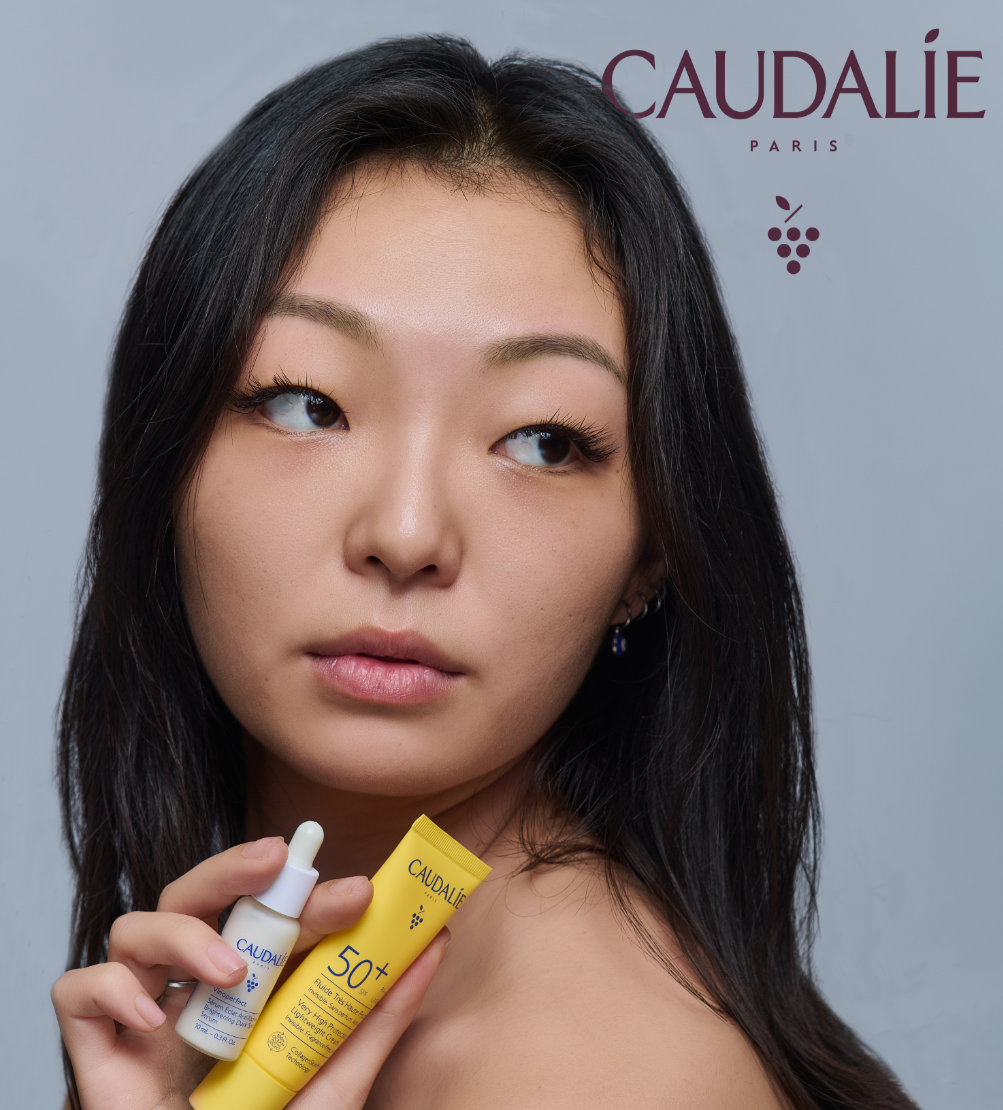
Visual content is a powerful tool in skincare marketing. Investing in high-quality photography and videography can significantly impact consumer perceptions. Professional studio setups, natural lighting, and clear, detailed shots of products in use can elevate the brand's image.
Photography Tips
- Use macro shots to highlight product textures.
- Incorporate lifestyle images to show products in real-life settings.
- Utilize before-and-after comparisons to demonstrate effectiveness.
Video Ideas
- Tutorials and how-to guides.
- Behind-the-scenes footage of product creation.
- Customer testimonials and reviews.
Utilizing Social Media Platforms
Social media platforms are invaluable for skincare brands. Each platform offers unique opportunities to reach different segments of the audience. Instagram is ideal for visual storytelling, while TikTok offers a space for viral, short-form content. Tailor content to fit each platform's strengths.
Leveraging Influencer Collaborations
Influencer marketing can amplify a brand's reach. Partnering with influencers who align with the brand's values and aesthetics creates authentic connections with potential customers. Micro-influencers, in particular, often have highly engaged audiences and can offer cost-effective collaboration opportunities.
User-Generated Content Strategies
Encouraging customers to share their experiences with products can build community and trust. Host contests, or create branded hashtags to motivate users to generate and share content featuring the products.
Crafting Engaging Product Descriptions
Detailed and engaging product descriptions can enhance the shopping experience. Highlight key ingredients, benefits, and usage instructions clearly. Consider storytelling techniques to convey the brand's ethos and connect with the audience on an emotional level.
Using Data and Analytics
Data-driven insights can refine marketing strategies. Monitor engagement metrics, sales conversions, and customer feedback to understand what resonates with the audience. Use this data to optimize content and marketing campaigns.
Common Mistakes to Avoid
- Neglecting Target Audience Needs: Failing to research and understand the target market leads to ineffective campaigns.
- Poor Quality Visuals: Low-quality images and videos can damage brand perception.
- Ignoring Social Media Trends: Staying current with trends helps maintain relevance and engagement.
- Overlooking User Feedback: Ignoring customer reviews and feedback can result in missed opportunities for improvement.
- Inconsistent Branding: Inconsistent messaging and branding can confuse potential customers.
- Not Utilizing Analytics: Failing to analyze data can prevent necessary refinements in strategy.
Next Steps
For more insights, explore our canonical guide on skincare marketing and read about effective influencer marketing strategies and creating compelling user-generated content.
FAQs
- Should I choose a niche or work across all industries? Specializing in a niche can help you become a go-to expert and build stronger relationships with brands.
- What are the most profitable UGC niches? Beauty, fashion, and wellness are consistently among the top-paying niches.
- What niches pay $1,000+ per video? High-end beauty and fashion brands often pay top dollar for quality UGC.
- Should I focus on beauty, fashion, tech, or wellness? Choose based on your interests and strengths, as passion often translates to better content.
- Can I work in multiple niches at once? Yes, but ensure each niche aligns with your personal brand to maintain authenticity.
- How do I choose a niche that fits me? Consider your passions, expertise, and market demand when selecting a niche.
- What if I don't fit the typical beauty or fashion creator mold? Authenticity is key. Consumers are increasingly drawn to diverse and relatable creators.
- Can men be successful in UGC? Absolutely. Men can succeed in any niche by providing unique perspectives.
- What niches are best for male creators? Tech, fitness, grooming, and lifestyle are popular niches for male creators.
- Are there UGC opportunities for older creators? Yes, brands are looking for relatable and diverse creators to reach broader demographics.
- How do I create UGC for tech products? Focus on functionality, ease of use, and real-world applications in your content.
- What's different about beauty UGC vs fashion UGC? Beauty UGC often focuses on product benefits and results, while fashion UGC emphasizes style and trends.
- How do I create UGC for B2B brands? Highlight the business benefits and showcase real-world applications of the products or services.
- Can I create UGC for services instead of products? Yes, showcase the benefits and experiences provided by the service.
- How do I film UGC for food and beverage brands? Focus on sensory experiences, preparation processes, and lifestyle integrations.