Introduction
Feeling unnatural on camera? You're not alone. Many UGC creators struggle with projecting confidence in front of the lens, leading to retakes, frustration, and even lost opportunities. Whether you're full-time or juggling this alongside another gig, the pressure to perform can be intense. Confidence on camera isn't just about looking good; it's about conveying the right energy and authenticity that resonates with audiences and brands alike.
Imagine being able to hit record and deliver your message in one smooth take, saving you countless hours in editing and stress. With brands expecting professionalism and speed, mastering this skill can set you apart in a crowded field. Here's how you can overcome the jitters and show up as your best self every time.
Understanding Your Fears
Before tackling your camera anxiety, it helps to understand why it happens. Are you worried about judgment from viewers, or is it the pressure to deliver perfect content? Many creators fear negative comments or losing followers, and this can manifest as camera shyness. Studies show that 50-70% of people experience some form of performance anxiety, so know that you're not alone.
Consider the story of Jenna, a lifestyle creator with 20k followers, who initially felt overwhelmed by the thought of going live on Instagram. Her fear was rooted in the potential for real-time criticism. By identifying her specific fears, she was able to strategize ways to mitigate them, such as preparing talking points and focusing on her community's support rather than potential negativity.
Building Camera Confidence
Building camera confidence is a skill you can develop. Start with simple exercises like recording yourself without the intention of posting. Watch these videos to note your body language and tone. Aim for 5-10 minutes of practice daily, and you'll notice improvement in just a week.
Use scripts or bullet points to stay on track, but avoid sounding robotic. Sarah, a beauty influencer who collaborates with skincare brands, found success by writing down key points and practicing in front of a mirror. She noticed a 30% increase in engagement when her videos felt more conversational.
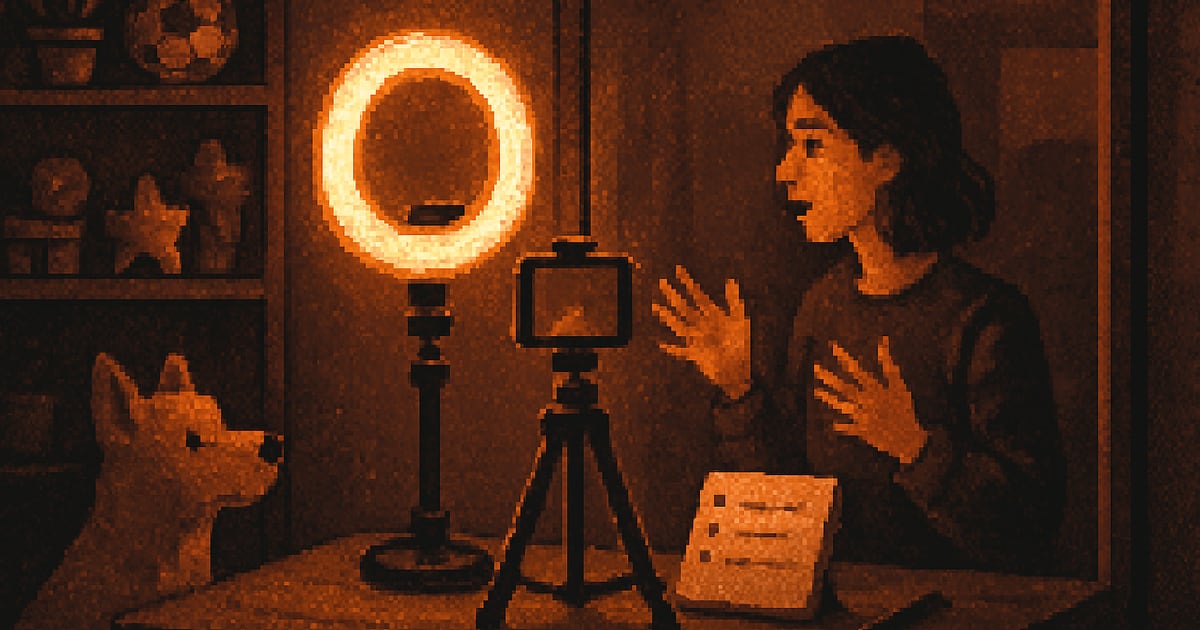
Lighting and sound can dramatically affect how you perceive yourself on camera. Invest in a ring light and a good microphone; these tools can boost your appearance and clarity, enhancing your confidence. Good equipment can lead to a 20% reduction in retakes, saving time and frustration.
Practice and Feedback
Regular practice is crucial. Record multiple takes of the same content, experimenting with different tones and expressions. This practice helps you find your unique on-camera style. Aim to record at least 3-5 practice sessions per week.
Feedback is invaluable. Share your practice videos with a trusted peer or mentor who understands the industry. When Alex, a fitness creator, sought feedback on his workout tutorials, he learned that his pacing was too fast. Adjusting this based on feedback resulted in a 15% increase in viewer retention.
Embracing Imperfection
Perfection is the enemy of progress. The digital landscape values authenticity over flawlessness. Viewers connect with creators who are real and relatable. Accept that minor mistakes won't ruin your content. In fact, they can humanize you.
Consider Emma, who started posting bloopers at the end of her cooking videos. This approach not only boosted her engagement by 40% but also made her audience feel more connected to her genuine personality.
Common Mistakes
- Over-Scripting: Rigid scripts can make you sound unnatural. Instead, use bullet points to guide your delivery. Creators often script too much out of fear of missing key points.
- Ignoring Audience: Focusing solely on what you want to say, not what your audience needs to hear, can alienate viewers. Research what resonates with your audience.
- Poor Setup: Underestimating the importance of lighting and sound. Invest in these areas to enhance your video quality significantly.
- Lack of Practice: Assuming confidence will come without consistent practice. Regularly recording yourself is key to building comfort.
- Over-Editing: Trying to edit out every flaw can lead to over-polished content that feels inauthentic. Embrace minor imperfections.
- No Feedback: Avoiding external input due to fear of criticism. Feedback is crucial for growth and improvement.
- Comparing to Others: Benchmarking against top creators can demotivate. Focus on your unique strengths and journey.
Next Steps
Start by setting a weekly goal to record and review at least three practice videos. Use these sessions to identify areas for improvement and embrace the process of learning. If confidence on camera is affecting your ability to secure brand deals, consider how UGCRoster can streamline your outreach with verified contacts and effective Gmail pitches, freeing up time to focus on honing your on-camera skills.
Next, reach out to a peer or mentor for feedback and implement small changes based on their insights. Remember, this journey is about incremental improvements, not overnight perfection. For more strategies on managing your UGC career, explore our articles on optimizing brand pitches and understanding audience engagement.
FAQ
What if I'm not getting any responses to my pitches?
If you're not getting responses, it might be time to tweak your approach. Start by analyzing the last 10 pitches you sent: Did you personalize them? Did you highlight specific benefits for the brand? Sometimes a small change, like including a recent successful campaign, can make a big difference. When Emma, a fashion UGC creator, added case studies with a 15% engagement boost, her response rate increased by 25%. Keep iterating and testing different angles until you see results.
How do I deal with rejection?
Rejection is part of the game, so don't take it personally. Consider each rejection as feedback and a chance to improve. For example, if a brand says your style doesn't match their aesthetic, use that intel to refine your target brand list. Mark, who creates tech reviews, once faced a 40% rejection rate. By adjusting his pitch to align better with brand values, he cut that down to 20%. Embrace rejection as a stepping stone to better opportunities.
What if brands say I'm too expensive?
If brands say you're too expensive, it's time to reassess your value proposition. Clearly communicate the ROI you offer, whether it's high engagement rates or quality content. Julia, a travel content creator, faced this and began highlighting her 12% engagement rate, which was above the industry average. This repositioning led brands to see her fee as justified, and she eventually secured more lucrative deals. Remember, it's about demonstrating value, not just lowering your price.
How do I handle difficult clients?
Handling difficult clients requires clear communication and boundaries. If a client is being unreasonable, like asking for multiple revisions not in the contract, refer back to your agreement. For instance, when Sam, a food UGC creator, faced this with a restaurant, he calmly pointed out the agreed-upon terms and offered a fair compromise. This approach not only resolved the issue but also maintained the relationship. Always document conversations and agreements to protect yourself.
What if a client ghosts me?
If a client ghosts you, follow up professionally. Send a polite reminder email after a week and include any pending deliverables. Anna, a lifestyle creator, once got ghosted after submitting content. She sent a follow-up with a 48-hour response request, and the client replied, apologizing for the delay. If there's still no response, consider moving on and learning from the experience. Sometimes it's not about you but about the client's situation or priorities.
What do I do if a brand doesn't pay?
If a brand doesn't pay, start by sending a polite reminder with a copy of the invoice. If there's no response, escalate to a more formal tone, and consider mentioning possible small claims court action. When Lisa, a wellness creator, faced a non-payment of $500, she sent a registered letter, which prompted immediate payment. Always have a contract in place before starting work, and consider partial upfront payments for new clients to mitigate risks.
How do I handle scope creep?
To handle scope creep, you need to set clear boundaries from the start. If a client requests additional work beyond the agreed scope, remind them of the initial terms. Offer to accommodate the changes for an additional fee. Tom, a gaming UGC creator, faced this when a brand kept asking for extra edits. He introduced a policy of two revisions included, with extra charges beyond that. This approach helped him manage expectations and workload effectively.
What if the product doesn't work as advertised?
If a product doesn't work as advertised, honesty is key. Reach out to the brand for clarification or a replacement. If they're unresponsive, you may need to decide whether to proceed. Zoe, a beauty influencer, once encountered a faulty product. She informed her audience about her honest experience, which actually increased her credibility. Brands often appreciate transparency, and audiences value authenticity. Always prioritize your integrity over a deal.
Should I still promote a product I don't like?
Promoting a product you don't like can harm your credibility, so it's usually best to decline. When Jack, a tech reviewer, received a gadget he didn't believe in, he chose not to feature it. Instead, he provided the brand with constructive feedback. This decision preserved his audience's trust and led to better collaborations in the future. Remember, your audience relies on your authenticity, and it's crucial to maintain that trust.
How do I handle negative experiences with brands?
To handle negative experiences with brands, approach the situation professionally. Communicate your concerns directly to the brand, focusing on how the issue impacts both parties. When Rachel, a fashion creator, had a contract dispute, she arranged a call to discuss it calmly, which led to a resolution. If the brand is uncooperative, consider sharing your experience with peers in a private setting to prevent similar issues. Always aim for a constructive outcome while protecting your reputation.