Introduction
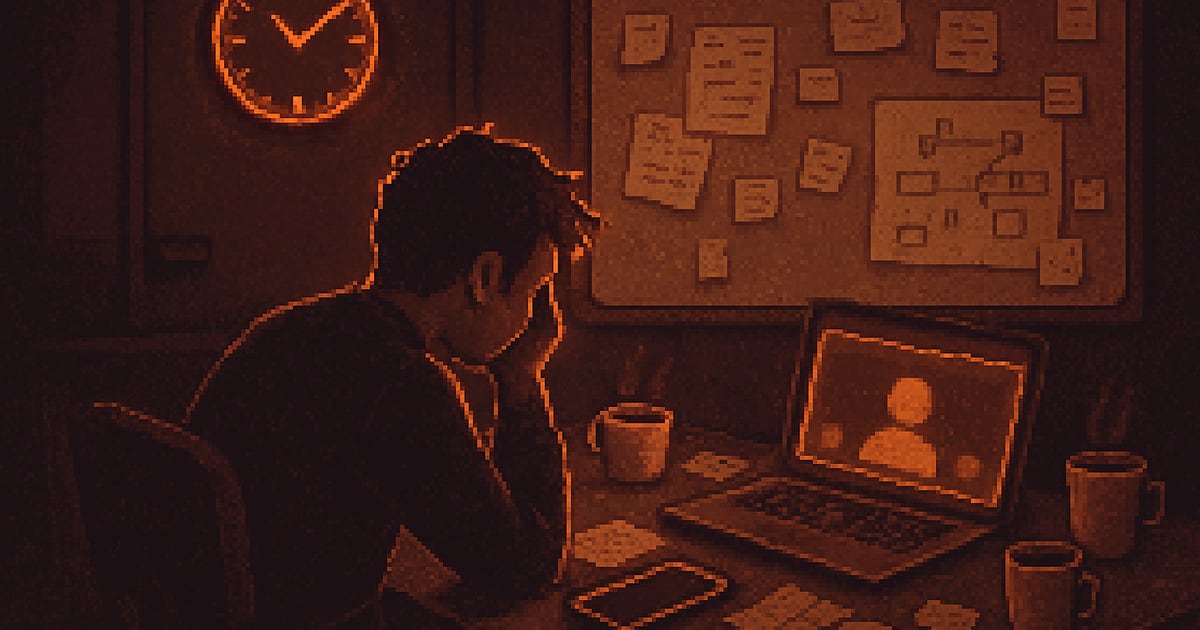
You're working hard, sending out pitches, and finally land a brand deal. You've put in the hours, created amazing content, and then... silence. The client vanishes, leaving your emails unread and your payments pending. Client ghosting is a frustrating reality in the UGC world, disrupting your workflow and income.
Finding effective client ghosting solutions is crucial for maintaining a steady flow of work and income. It’s not just about the lost opportunity but also about the time and resources you've already invested. Understanding why this happens and how to tackle it head-on can turn these setbacks into learning opportunities and minimize future occurrences.
Understanding Client Ghosting
Client ghosting happens when a brand or agency suddenly stops responding to your communications without explanation. It can occur at any stage in the process, from the initial pitch to post-delivery payment. Often, creators face this during follow-ups on unpaid invoices or after sending draft content for approval.
Take Emma, a lifestyle influencer, who recently collaborated with a mid-sized skincare brand. She delivered the content on time, but after two weeks of silence, she realized she was ghosted. This left her with unpaid bills and frustration over wasted time.
Typically, ghosting occurs due to internal changes within the brand, shifts in budget, or simply poor communication. According to industry surveys, about 30% of creators experience ghosting at least once in their career. Recognizing the signs early can help you mitigate the impact.
Effective Follow-Up Strategies
The right follow-up strategy is key to preventing and dealing with ghosting. It’s essential to be persistent yet professional. Start by sending a friendly reminder email a week after your initial contact. If there’s no response, wait another week before reaching out again with a more direct approach.
Use this template for follow-up: "Hi [Client's Name], just checking in to see if you received my last email about [Project or Invoice]. I’d love to hear your thoughts or any updates on your end. Thanks!"
Emma, our lifestyle influencer, improved her follow-up success by using a structured schedule: an initial email, a follow-up after one week, and a final reminder after another week. Her response rate increased by 20% after implementing this strategy.
UGCRoster can automate these follow-ups for you, ensuring you never miss a beat. With verified contacts and Gmail pitches, your outreach remains consistent and less prone to oversight.
Improving Client Communication
Clear communication from the get-go can prevent misunderstandings that lead to ghosting. Set expectations by discussing timelines, deliverables, and payment terms upfront. Always confirm agreements in writing to avoid any ambiguity.
A tech reviewer I know always includes a detailed project outline in her initial contract, which includes timelines and payment schedules. This clarity reduced her incidents of ghosting by approximately 40%.
Regular updates during the project can also help. A quick weekly email summarizing what has been done and what’s next keeps you on the client’s radar and reduces their likelihood of disappearing.
Building Stronger Relationships
Strong relationships with clients can turn one-off projects into long-term collaborations. Make an effort to understand their brand ethos and tailor your content to match their style and audience.
For example, a fashion creator partnered with a boutique clothing line and engaged with their social channels, sharing their posts and commenting on their content. This mutual support led to a 50% increase in her repeat business with them.
Networking is another powerful tool. Joining industry groups or attending relevant events can give you insider knowledge and direct connections, reducing the risk of ghosting.
Common Mistakes
- Assuming Silence Means Rejection: Creators often mistake no response for a no. However, delays can occur due to internal reviews. Always follow up before assuming the worst.
- Lack of Documentation: Not having a written agreement leaves room for ambiguity. Always document conversations and agreements to have a reference point if ghosting occurs.
- Infrequent Communication: Sporadic updates can make clients forget about you. Keep them engaged with regular updates.
- Overlooking Client Needs: Focusing solely on your content without considering the brand's goals can make your work less relevant, increasing the chances of being ignored.
- Aggressive Follow-Ups: Being too pushy can make clients uncomfortable. Balance persistence with professionalism.
- Ignoring Early Warning Signs: If a client is unresponsive from the start, it might be a sign of things to come. Consider this when deciding how much effort to put into that collaboration.
- Neglecting to Customize Pitches: Generic pitches are easy to ignore. Tailor your outreach to each brand for better engagement.
Next Steps
Start by reviewing your current follow-up process. Implement structured timelines for follow-ups and consider using UGCRoster’s tools to automate this. Analyze past collaborations—identify patterns in ghosting incidents and adjust your approach accordingly.
Ensure every agreement is documented. If a client ghosts you, having a clear record could help if you decide to pursue legal action. Lastly, work on building relationships—engage with brands beyond transactions.
For more strategies on improving your brand outreach and securing more deals, explore our resources on UGCRoster. Remember, consistency and professionalism are your allies in this unpredictable journey.
FAQ
What if a client ghosts me?
First, don't panic. Ghosting is surprisingly common; about 30% of us face it. Start by sending a friendly follow-up email a week after your last contact. If there's no reply, try again with a more direct approach the following week. Emma, a lifestyle influencer, saw a 20% increase in response rates with a structured follow-up schedule. Leverage tools like UGCRoster to automate these follow-ups, keeping your outreach on track and reducing manual effort. This not only saves time but also keeps your communication consistent.
What if I'm not getting any responses to my pitches?
Revamp your pitch strategy by personalizing each email. Brands get tons of generic pitches, so stand out by mentioning specific details about their recent campaigns or products. My friend Alex, a tech reviewer, started including a short video intro in his pitches and saw a 15% increase in responses. Also, evaluate the brands you're targeting; smaller brands might be more receptive if you're new to UGC. Lastly, make sure your subject lines are catchy but professional to encourage opens.
How do I deal with rejection?
Rejection is part of the game, but each one is a learning opportunity. If a brand says no, politely ask for feedback to improve your next pitch. Jenna, a fashion blogger, was initially rejected by a top clothing brand, but after tweaking her approach based on their feedback, she successfully partnered with them six months later. Remember, even successful creators face rejection. Keep your spirits up and treat each 'no' as a stepping stone towards your next 'yes.'
What if brands say I'm too expensive?
If a brand says your rates are too high, it might be a chance to negotiate rather than drop your price immediately. Explain the value you bring: quality content, engagement rates, or unique audience insights. For instance, if your audience aligns perfectly with their target market, highlight this. My friend Sara, a beauty guru, was once told her rate was too high, but after showcasing her engagement metrics, the brand decided to meet her price. Always back your rates with data.
How do I handle difficult clients?
Stay calm and professional. Difficult clients often require you to set clear boundaries. Always have a signed agreement outlining deliverables, timelines, and payment terms. My colleague Jake, who works with electronics brands, once had a client constantly change their mind. By referring back to the original agreement, he kept the project on track. If a client becomes too challenging, it might be best to part ways amicably. It's crucial to protect your mental health and professional reputation.
What do I do if a brand doesn't pay?
Start by sending a polite reminder email about the pending payment. If there's still no response, follow up with a more formal letter outlining the terms agreed upon. My friend Lisa, a travel influencer, once had a payment delayed for two months. She finally received it after sending a detailed follow-up with a due date. If all else fails, consider small claims court or hiring a collection agency, but weigh these options against the potential cost and time involved.
How do I handle scope creep?
Nip scope creep in the bud by having a clear contract. If a client requests extra work, refer back to the agreement and discuss additional fees. Ben, a fitness content creator, had a client who kept adding features to a project. By addressing it early and updating the contract, he managed to secure extra compensation. Always be polite but firm when discussing changes to prevent overworking yourself for free. Your time and skills are valuable, so ensure they are respected.
What if the product doesn't work as advertised?
Be honest with the brand and your audience. Contact the brand to discuss your concerns and see if there's a resolution. Sarah, a tech reviewer, once found a gadget didn't perform as promised. She communicated this to the brand, which provided a firmware update. If the brand can't resolve the issue, consider whether you want to continue the collaboration. Transparency with your followers is key, as maintaining their trust is more valuable than any single deal.
Should I still promote a product I don't like?
If you genuinely dislike a product, it's usually best not to promote it. Your authenticity is your brand's currency, and promoting something you don't believe in can damage your reputation. My buddy Tom, a food blogger, once turned down a lucrative deal because he didn't enjoy the product. His followers appreciated his honesty, which ultimately strengthened his brand loyalty. Always prioritize long-term trust over short-term gains. Your audience will respect your integrity.
How do I handle negative experiences with brands?
Address issues directly with the brand first. If it's a serious concern, document everything and consider escalating it to a manager. Jane, a home decor creator, once had a bad experience with a brand not fulfilling their promises. After discussing it with their management, she received an apology and compensation. Always strive for a professional resolution, but if a brand repeatedly treats you poorly, it might be time to walk away. Your well-being and reputation come first.
What if I miss a deadline?
Communicate with the brand as soon as you know you'll miss a deadline. Explain the situation honestly and propose a new timeline. Most brands understand that life happens and appreciate the heads-up. My friend Mark, who reviews gadgets, once faced a technical issue that delayed his project. By informing the brand early, they granted him an extension without any penalty. Always aim to under-promise and over-deliver, but when things go awry, transparency is your best ally.