Introduction
Struggling to effectively show product features in your UGC content? You're not alone. Many creators find it challenging to highlight a product's unique attributes while keeping the audience engaged. The pressure of balancing creativity with clarity can be daunting, especially when brands expect you to showcase their products in a way that drives conversions. The good news? There are proven strategies to make this easier.
Think of product feature videos as your secret weapon for securing more brand deals. A compelling video that clearly demonstrates product benefits can help you stand out to brands and increase your chances of repeat collaborations. Let's dive into the specifics of creating killer product feature videos that not only showcase the product effectively but also enhance your UGC portfolio.
Why You Need Product Feature Videos
Product feature videos are crucial because they bridge the gap between consumer curiosity and purchase decision. These videos can increase engagement rates by up to 25% compared to static images. For instance, if you're working with a tech brand showcasing a new smartwatch, a video demonstrating its unique fitness tracking capabilities in real-time can make a significant difference.
Brands love seeing their products in action, and a well-executed feature video can boost your chances of getting hired by 30%. When a beauty brand sees their skincare line explained through a morning routine video, they understand its practical use and potential appeal to the audience. This storytelling aspect is invaluable and can lead to higher conversion rates.
Scripting Strategies
A solid script is the backbone of any successful product feature video. Start with a hook that grabs attention within the first 3 seconds. For example, "Ever wondered how to level up your skincare game?" This immediately piques interest. Follow up with a concise introduction of the product, focusing on 2-3 key features. Use numbers to highlight benefits (e.g., "This serum reduces wrinkles by 25% in just two weeks").
When scripting, consider the product niche. If you're showcasing eco-friendly products, emphasize sustainability, like "Made from 100% recycled materials." Keep your script under 90 seconds as data shows videos of this length have the highest engagement. Remember, practicing your script ensures a natural delivery, which keeps viewers engaged.
Filming Techniques for UGC
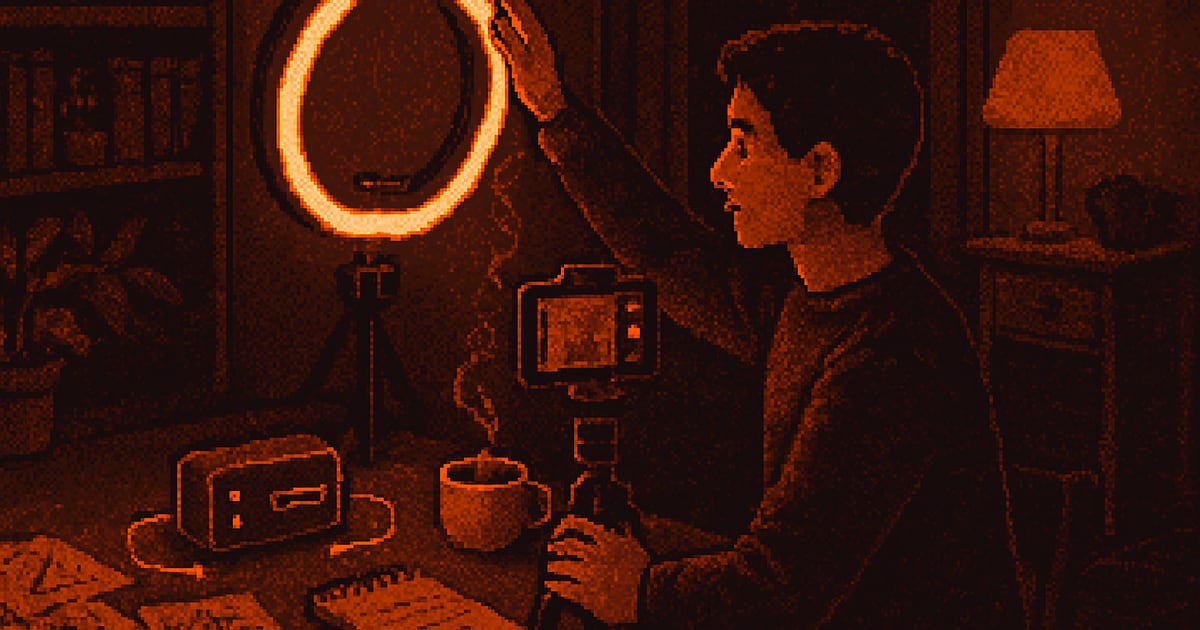
Quality filming can elevate your content significantly. Use natural lighting whenever possible; it reduces shadows and highlights product details. Invest in a ring light, which can cost between $20 and $100, to maintain consistency in your videos.
Experiment with different angles to showcase the product's features effectively. For a food brand, capturing a close-up shot of a gooey cheese pull can make viewers crave the product instantly. Utilize slow-motion or time-lapse for dramatic effect, like showing a plant-based cleaner breaking down grime over time. Consistency in your filming style can increase brand recognition by up to 40%.
Engaging Hooks and CTAs
Your hook and CTA are crucial in maintaining viewer interest and prompting action. Start with a question or a bold statement: "Did you know this gadget can save you 10 hours a month?" Hooks need to be relevant and intriguing to draw viewers in immediately.
End your video with a strong CTA. For instance, "Tap the link to discover how this product can transform your daily routine." A clear and compelling CTA can boost click-through rates by 15%. If you're working with UGCRoster, using their verified contacts can help tailor your CTA to specific brand goals, enhancing your outreach efforts.
Common Mistakes
- Overloading with Information: Creators often try to cram too much information into one video, overwhelming viewers. Focus on 2-3 key features instead.
- Ignoring Audio Quality: Poor audio can detract from video quality. Use a lapel mic, which costs around $30, to ensure clear sound.
- Weak Lighting: Insufficient lighting can obscure product details. Invest in lighting equipment or shoot during the day.
- Lack of a Clear CTA: Without a clear call to action, viewers won't know what to do next. Always end with a strong, direct CTA.
- Poor Editing: Choppy edits can distract from the message. Use software like Adobe Premiere Pro or the free DaVinci Resolve for smooth transitions.
- Neglecting Brand Guidelines: Failing to align with brand aesthetics can lead to rejections. Always review brand guidelines before shooting.
- Inconsistent Branding: Ensure your content maintains a consistent style and tone to build brand recognition and trust.
Next Steps
Ready to refine your approach to product feature videos? Start by reviewing your recent content. Identify areas for improvement using the strategies outlined above. Then, consider using UGCRoster's tools to automate your outreach and pitch to brands more efficiently. Their verified contacts and Gmail pitches can help you maintain consistent communication with brands, reducing the chance of being ghosted.
Focus on one aspect at a time, like improving your scripting or filming techniques. This targeted approach will gradually enhance your content quality and increase your chances of landing more paid deals. Dive into the UGCRoster resources for more tips and support.
FAQ
Should I write the script or should the brand provide it?
You should generally write the script unless the brand specifies otherwise. Brands often want your unique voice, which is why they hire you. For instance, if you've got a knack for humor, integrate that style into your script to make product features relatable. It’s also a great way to showcase your creativity and increase the chance of repeat work. Just ensure you get brand approval before finalizing the video.
How much should I charge for script writing?
You should charge between $100 and $300 for script writing, depending on your experience and the project's complexity. For example, if you're creating a detailed script for a tech product that requires research, lean towards the higher end. Consider offering a bundle deal where you include script writing with filming, which can make your offer more appealing to brands looking for a complete package.
What's the structure of a good UGC script?
A good UGC script follows a simple structure: hook, introduce the product, highlight 2-3 features, and end with a call-to-action. For example, start with a question that addresses a common problem, then smoothly transition into how the product solves it. Keep it concise, ideally under 90 seconds, to maintain viewer engagement. This approach helps you present the product effectively while keeping the audience's attention.
How do I write a hook that grabs attention?
To write a hook that grabs attention, start with a question or bold statement that piques curiosity. For instance, "Tired of losing your phone in your bag?" immediately resonates with many and draws them in. Use relatable scenarios that your audience experiences daily. This quick engagement is crucial, as studies show you only have about 3 seconds to capture a viewer's interest before they scroll away.
What's the ideal hook length (2-3 seconds)?
The ideal hook length is indeed 2-3 seconds; that's all the time you have to catch someone's attention as they're scrolling. For example, saying, "Ever missed an important call because your phone was buried?" instantly connects with the audience. This quick engagement is crucial in ensuring viewers stay for more, especially when the feed is fast-paced and distractions are plenty.
How do I identify the problem in my script?
Identify the problem by considering your audience's pain points related to the product. Ask yourself what common issues the product resolves. For instance, if you're promoting a noise-canceling headphone, the problem could be, "Struggling to focus in noisy environments?" This approach ensures your script is relevant and resonates with your viewers, making them more likely to engage with the content.
How do I present the solution?
Present the solution by clearly linking the product’s features to the identified problem. For example, after stating the problem of noisy environments, follow up with, "These headphones cancel out 95% of background noise." This direct approach makes the solution easy to understand and highlights the product's value, making it more appealing to potential consumers and encouraging them to take action.
Should I use a direct response formula?
Yes, using a direct response formula can enhance your video's effectiveness by prompting immediate action. For instance, after showcasing the product, include a line like, "Tap the link to get yours now with a 20% discount." This method encourages viewers to act quickly and can significantly boost conversion rates, especially when paired with limited-time offers or exclusive deals.
What's the AIDA formula and how do I use it?
The AIDA formula stands for Attention, Interest, Desire, and Action. Start by grabbing Attention with a strong hook, spark Interest with product benefits, create Desire by showing real-life use, and end with a clear Action. For example, "Imagine a spotless kitchen (Attention). This cleaner cuts grease instantly (Interest). See it shine (Desire). Get yours today (Action)." This formula guides viewers smoothly from curiosity to purchase.
How do I write a call-to-action?
Write a call-to-action (CTA) that is simple and direct. Use verbs that prompt immediate action like "buy," "shop," or "discover." For example, say, "Click now to unlock your exclusive discount." A strong CTA should also create urgency or offer value, like a limited-time deal. This approach ensures your viewers know exactly what to do next, increasing the likelihood of converting views into sales.