Bedding and mattress buying runs on a long consideration window and a longer trial window. The creative has to do two jobs at once: sell the feeling of the product and set expectations honest enough that the box does not come back at the end of the trial. That changes who you cast, what you brief, and how you spend the slots.
What follows is a casting plan split into a core three, a coverage four, and a scale three. It covers sourcing, audition tests, shot lists for night and morning footage, usage rights you need before whitelisting, and where material claims have to stop.
Why the First Creator Hires for a Sleep Brand Set Your Creative Ceiling
Your first creators decide the angle library you get to test for the next quarter. If all of them shoot an unboxing in a bright living room, you have one angle with ten wardrobe changes. You will burn a month finding that out in the ad account.
Before you open applications, write down the objections that block a purchase. For a cooling sheet set, that list tends to include: does it still feel cool later in the night, does it pill after washing, is the deep pocket deep enough for my mattress, is it worth the premium over the pack I bought at a big-box store, and what happens if I hate it. Each objection needs footage that answers it on camera. That is your casting brief, not a vibe.
The common failure pattern is easy to recognize. A brand runs its first round off a single brief titled "show the sheets." Every creator delivers a made bed, a hand smoothing the fabric, and a line about softness. The team ends up with no footage of the sheets going on a mattress, no washing machine shot, no partner in frame, and nothing about the return policy. Split the same budget across objection-specific briefs instead, and you get raw material the editor can cut into distinct concepts.
The ceiling effect compounds. Whitelisting, iteration, and hook testing all depend on having a creator whose footage already performs. If nobody in the first wave produces a usable base asset, there is nothing to iterate on. For context on what good performance looks like, see Hook Rate Benchmarks for Bedding Video Ads before you set expectations. Treat the first wave as a sourcing experiment with an explicit coverage map, and treat the second as the scale buy.
Hires 1 to 3: The Bedroom-Capable Core
The first three hires exist to prove the location works. Cast against physical criteria before personality:
- A bedroom with a window that produces usable daylight, plus a lamp that produces usable night light.
- Willingness to shoot the bed stripped, mid-change, and made. Many creators will film a made bed only.
- A second person or a pet available for motion-transfer and partner-disturbance shots.
- A mattress whose size and depth match what you sell. Deep-pocket claims die on a shallow mattress.
- Storage space to keep product for a follow-up shoot weeks later.
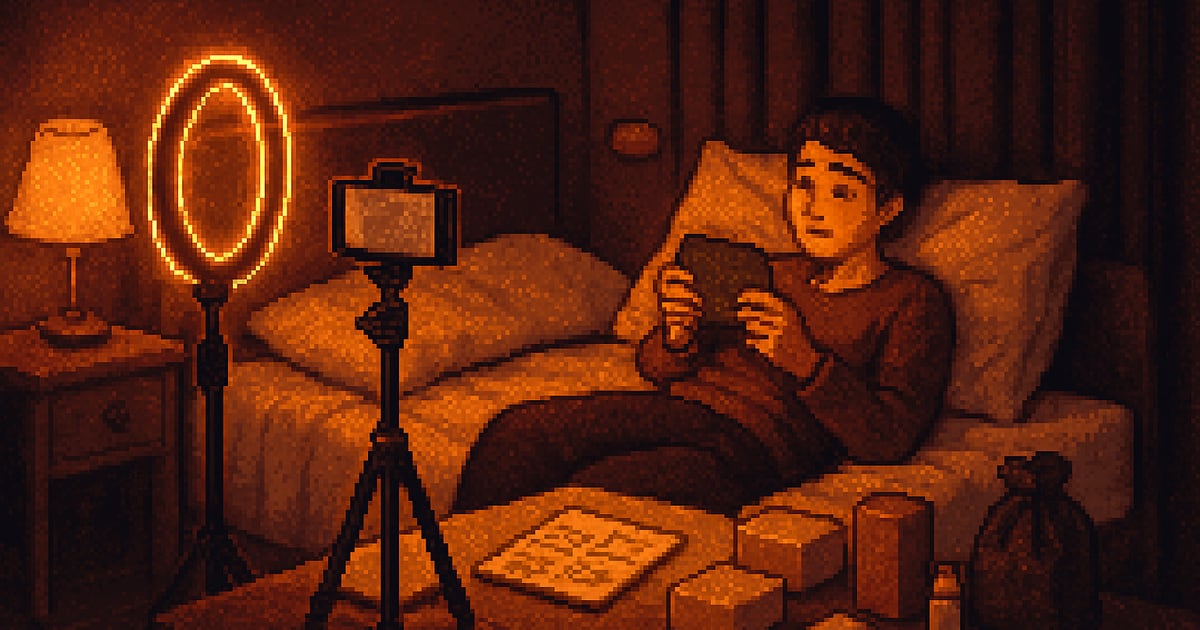
Run a paid audition, not a free sample. Ask for a short unedited clip filmed in their own bedroom at the hour they actually wake up, no ring light, no filter, narrating what they currently sleep on. Brands that run this test usually learn that part of the shortlist has been filming in a staged corner with a headboard prop, and the morning clip ends the guessing. Pay a flat fee for the test clip and license it only if you use it. Price the test and the full shoot with the UGC rate calculator so your offer is in range before you negotiate.
On sourcing, three channels tend to produce bedroom-capable people: your own buyer list filtered to repeat purchasers, comment sections on your organic posts where people describe their sleep setup, and inbound creator pitches. UGC Roster sits in the third bucket, where creators pitch brands directly and self-select for interest in the category before you ever write a brief.
For the core three, buy more than one deliverable each. A workable structure per creator: a hero video, alternate hooks cut on the same body, and a raw b-roll folder (hands on fabric, sheet snap, pillow compress, lamp off, alarm, feet under the duvet). The b-roll is what keeps your editor shipping variants without rebooking anyone.
To see how a brand at scale structures bedroom-specific creator content, the Eight Sleep Creator Marketing: A Full Teardown is worth reviewing before you finalize your brief structure.
Hires 4 to 7: Format and Angle Coverage
Hires four through seven exist to fill the formats the core three cannot cover. Assign one format per hire so you are not buying the same video four times.
- Night routine. Lamp light, phone down, lights out. Casting note: needs a bedroom where the overhead light can be off without the shot going black.
- Side-by-side swap. Old bedding stripped, new bedding on, same bed, same angle, same lens. The creator must be able to lock the camera position across takes.
- Partner two-hander. Two people arguing about temperature, blanket hogging, or who picked the old pillow. Needs a willing second person, which is a casting question, not a briefing question.
- Skeptic review. A buyer-voice creator who opens with the price objection and works through it. Cast someone who sounds unimpressed by default.
- Setup and logistics. Box in the hallway, unboxing, mattress expansion, fitted sheet corners, time-lapse to a made bed.
For a cooling product, ask for both a night window and a morning window from the same creator. The morning footage is what makes the "I did not wake up sweating" angle watchable, because the room looks like a room someone has actually slept in. Name the time of day in the brief or you will get afternoon footage with a made bed every time.
For an example of how seasonal context changes what footage works, see How Sijo Explains Seasonal Fabric Choice in Bed Ads before you lock your shot lists.
Write each of these as its own brief with one concept, hook options, a must-say list, a must-not-say list, and a shot list. The UGC brief generator is a faster starting point than a blank doc, and it forces you to separate concept from shot list. I would repeat the same technical specs every time: vertical, highest available resolution, no licensed music, no baked-in captions, clean room audio, and raw files delivered unedited alongside the cut.
Hires 8 to 10: Scale, Whitelisting, and Repeats
Hold the last slots back. Do not spend them in the first wave.
Slot eight and nine go to rebooking whoever produced your best-performing base asset. Same creator, same bedroom, new hooks and new concepts. Continuity of face and location means your retargeting creative looks like a series rather than a stranger each time.
Slot ten goes to the follow-up shoot. In a category with a long trial window, footage filmed weeks after delivery is the asset that does the expectation-setting work: how the sheets look after repeated washes, whether the mattress still feels the same, what the creator would tell someone on the fence. Build this into the original contract so the creator keeps the product accessible and the shoot is already paid for.
Whitelisting deserves its own line in the agreement, not an afterthought. Running ads through a creator's handle requires their explicit permission and the right access set up in Meta before you can launch. Price it separately from content fees, define the window in months, and define the geographies. Skip it and you are re-contacting creators after the fact, where some never reply, which can strand a top-performing asset in brand-handle only.
Usage terms worth fixing in writing before anyone ships product: paid usage window and renewal price, whitelisting rights and duration, organic reposting on your owned channels, retailer and marketplace use, and whether the creator can repost to their own feed. Model the full spend, including rebooks and whitelisting fees, with the UGC budget calculator before you commit to a creator count.
For market context on what a managed program costs elsewhere, minisocial's homepage (checked 22 August 2026) states that its fully managed micro-influencer projects start at $3,000 for 10 creators. Billo's own pricing explainer, published 9 October 2026, says videos start at $99 with creator compensation included and add-ons changing the total. Use those as reference points when you build the sleep-brand version, not as your rate card.
Briefing, Rates, and On-Camera Claims
One concept per brief. If a brief contains both the cooling angle and the setup angle, you will get a video that does neither.
A workable brief structure for bedding:
- Concept in one line. "You run hot and your partner does not."
- Hook options written out verbatim, creator picks one and films the others if budget allows.
- Shot list in order. Opening shot, demo shot, product detail, reaction, close.
- Must-say. Product name, the specific feature being demoed, the trial window if you offer one.
- Must-not-say. Health outcomes, medical phrasing, anything about treating a condition.
- Specs and delivery. Format, resolution, raw files, deadline, revision terms.
Claims are where sleep brands get themselves into trouble. Cooling, bamboo, organic, antimicrobial, and thread count are brand claims backed by the brand's own certification and test documentation, not creator opinions. Give creators approved phrasing drawn from what your documents actually support, and cut anything that drifts into health territory. "I sleep cooler than I did on my old set" is a personal experience statement. "This cured my insomnia" is not something to put in a paid ad, and no creator should be inventing it on the fly. Brief disclosure requirements explicitly and have your legal reviewer sign off on the must-say and must-not-say lists once, then reuse them.
Returns are a creative variable in this category. If the product is firm, say firm. If the duvet is warm, say warm and name the season. A brand that softens every description to widen the top of funnel pays for it in reverse logistics later. Write expectation-setting lines into the must-say list: mattress break-in period, sheet first-wash behavior, pillow loft relative to a standard pillow. Route every delivered asset through a consistent approval flow.
For a detailed look at how creator-produced pillow ads handle these claim constraints in practice, see the Coop Home Goods UGC Teardown: Pillow Ads That Convert and the Brooklinen UGC Ads: Creator Video Teardown Guide.
On rates, the published market gives you anchors. Influee's homepage (checked 22 August 2026) lists UGC videos starting at $81 with creator rates from $22 to $67 per video, and soona's site (same check date) lists $93 per video clip and $39 per photo for non-members. Bedroom footage with night and morning shooting windows, a second person, and a follow-up shoot sits above entry-level pricing for a single talking-head clip. Price it that way or you will get the kitchen counter.
Common Mistakes
Casting on follower count instead of bedroom. Teams default to reach metrics because they are visible in the application. The bedroom is not. Ask for an unedited phone clip of the actual room before you decide, and weight location over audience for paid social assets.
Hiring everyone in one batch off one brief. It feels efficient and it is how the budget gets approved. You end up with versions of one concept and no coverage of the objections that actually block purchase. Stage the hires: three, then four, then three, with a review between each wave.
Gifting product instead of paying for a high-ticket shoot. Brands assume a free mattress is compensation enough. What you get back is a one-take unboxing, because the creator is budgeting their effort to the fee. Pay a content fee on top of product for anything that needs a night and a morning shoot.
Leaving cooling and material claims to the creator. It happens when the brief says "talk about why you love it" and nothing else. The creator fills the gap with whatever sounds persuasive, and you get an ad you cannot run. Supply approved phrasing tied to your certifications and an explicit must-not-say list.
Buying one deliverable per creator. A single finished video gives your editor nothing to iterate with. Buy hook variants and a raw b-roll folder in the same order, when the creator is already set up and the product is already on the bed.
Skipping whitelisting rights in the first contract. Nobody thinks about partnership ads until an asset performs. Going back to a creator weeks later to renegotiate costs time and loses some of them. Put whitelisting terms, window, and price in the original agreement even if you do not plan to use them.
Ignoring the trial window in the creative plan. Everything gets filmed in week one, so all your footage shows a brand-new product. With a long return window, you need later footage that shows wear, washing, and a considered opinion. Contract the follow-up shoot upfront.
Next Steps
Do the objection map first. Not sourcing, not rates. Open a doc, list the reasons someone abandons your cart, and write one brief per objection. That document controls every casting decision that follows, and it is the thing that stops wave one from collapsing into identical videos.
Then run the paid audition clip on your shortlist before you ship any product. A short morning clip filmed in the creator's real bedroom tells you more than a full portfolio of studio work. Price the audition and the full package with the UGC rate calculator, and build the briefs in the brief generator so the shot lists are consistent across hires.
If you are deciding whether this program needs a dedicated owner rather than a shared marketing resource, read the breakdown on Hiring a Creative Strategist for Your DTC Sleep Brand before you post the job.
When you are ready to fill the slots, post a brand brief on UGC Roster and start with the core three.
FAQ
How to brief UGC creators for bedding and sleep ads
Brief at the shot level, not the concept level. Give each creator one objection to solve, a named deliverable count, and hard constraints: no competing bedding in frame, launder the set before filming, remove pet hair, shoot the same bed at two stated times of day. Specify audio too, because fabric rustle and a zipper on a mattress cover carry more than a voiceover claim. Add a short banned-language list so you are not re-editing captions later. Ask creators to tag footage by time stamp, which makes the night-to-morning cutdowns assemble quickly.
What is a bedding UGC shot list, and what should it include?
A bedding shot list is the itemized set of clips you need back from one creator, written before they shoot, so that every ad concept you plan to test has source footage. For sheets and mattresses, include: the bare mattress with the corner being fitted, a depth-fit pull test, a stitching and seam macro, a full bed-making sequence, the care label, a washing machine load, a lamp-off night frame, and a morning crumpled-bed frame. Add one unscripted line answering the return policy. Skip the washing machine clip and you cannot answer the pilling objection without re-shipping product.
How to find UGC creators who can film a bedroom properly
Audition the room before you contract the person. Ask applicants for a short unedited pan of their bedroom with the lamp on and the overhead off, plus one still from the same room in daylight. That one request filters faster than any portfolio review, because polished reels hide small apartments, bad ceiling light, and roommates' clutter. Look for a window on one wall, a lamp with a warm bulb, and enough floor space to stand back from the bed. On UGC Roster, brands source vetted creators and also hear from creators who pitch directly, which means you can ask for the room test in the first reply.
Do you send bedding creators the product to keep
Yes, and budget it as production cost rather than a perk. Sheets, pillows, and mattresses are hygiene-sensitive, so nothing comes back in resalable condition. Build gifting into your cost per asset before you sign off on the hires. Confirm mattress size and depth in writing before shipping, because a creator with a pillow-top on a full bed cannot shoot your king deep-pocket fit test. If you ship a mattress, confirm that the creator can physically move a boxed unit upstairs alone or allow a second person in frame. Keep a note on tax reporting for high-value gifting and let finance handle the thresholds.
What cooling claims can a creator make about sheets on camera
Only what you can substantiate, and the creator should phrase it as personal experience rather than product performance. "I woke up less sweaty this week" is a different claim from "these sheets lower your body temperature," and the second one needs testing data you own. Keep anything resembling a medical or sleep-disorder benefit out of scripts entirely. Send an approved language sheet with allowed phrasings and banned phrasings attached to the brief, and require clear disclosure of the paid relationship in the post and the caption. Remember that once you whitelist the creative to your ad account, the claim is yours to defend, not theirs.
Which UGC formats sell mattresses and bedding best
Treat format as a test variable, not a known answer, and build your hires so you can run several distinct ones. Formats worth putting in rotation: the swap, where the old set comes off and the new one goes on in one continuous take; the trial update, filmed weeks after delivery so the footage reads as lived-in; the partner POV, where two people argue about temperature; and the teardown, where a creator inspects stitching and depth up close. Log which format each creator delivered alongside its results in the ad account, so round two is a casting decision backed by your own data. For CPA targets to evaluate against, see Good CPA for a Mattress Brand on Meta: Real Benchmarks.